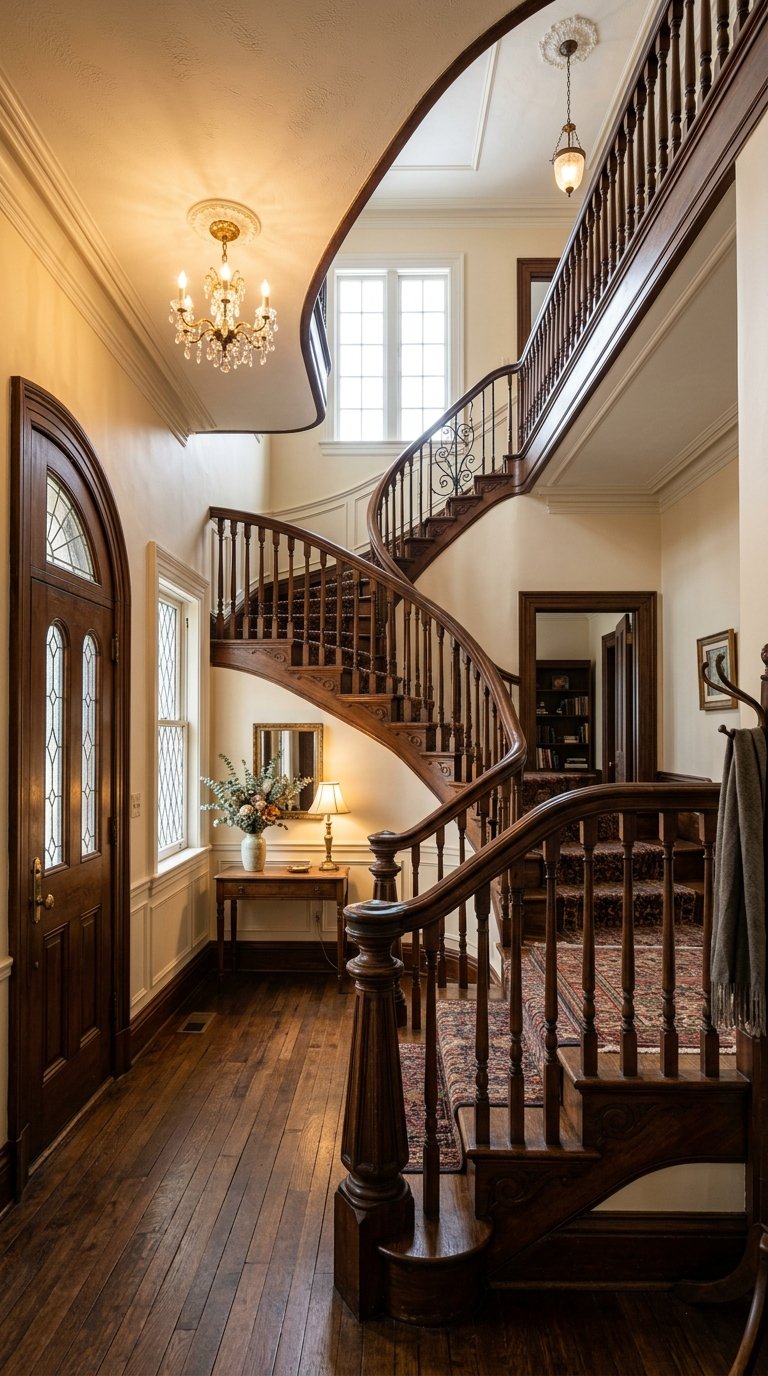
Buying A Historic Home In Willow Glen: What To Know
Thinking about buying a historic home in Willow Glen? It is easy to fall for the front porch, original windows, mature trees, and architectural details that give these homes so much personality. But charm is only part of the story, and if you want to buy confidently in 95125, you need to understand how age, condition, permits, and preservation rules can shape your decision. This guide walks you through what to look for, what to verify, and how to plan for updates before you write an offer. Let’s dive in.
Willow Glen did not grow in one single wave, which is part of what makes it so appealing today. According to the City of San José, North Willow Glen developed between the mid-1880s and mid-1950s, while Palm Haven includes homes from about 1910, the 1930s, and the 1940s, with many architect-designed residences.
That means when you shop for an older home here, you may see a wide range of architectural styles and lot characteristics. You are not just comparing square footage or finishes. You are also comparing era, design details, prior updates, and how each property fits into the broader historic character of the area.
In some pockets, the neighborhood setting itself is part of the appeal. The City notes that Palm Haven includes heritage palms planted around 1913 along its streets and median, and mature landscaping can be part of the historic character in parts of Willow Glen.
Older Willow Glen homes often reflect several classic architectural styles identified by the City of San José. These include National, Queen Anne, Neoclassical, Craftsman, Spanish Revival, and Minimal Traditional.
Craftsman and bungalow homes are often low and horizontal in form. You may notice broad porches, exposed rafters, and a strong connection between indoor and outdoor living areas.
Queen Anne homes tend to be more ornate and visually complex. Common features include asymmetrical facades, gables, towers, bay windows, and decorative woodwork.
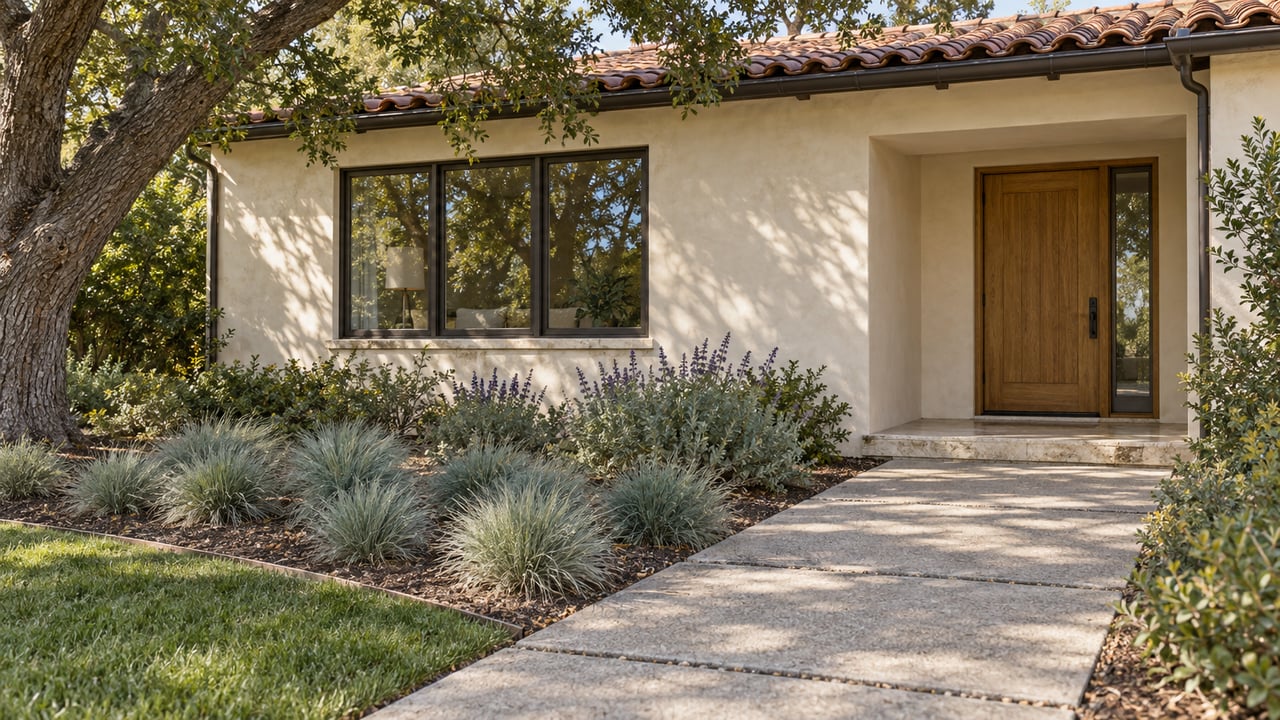
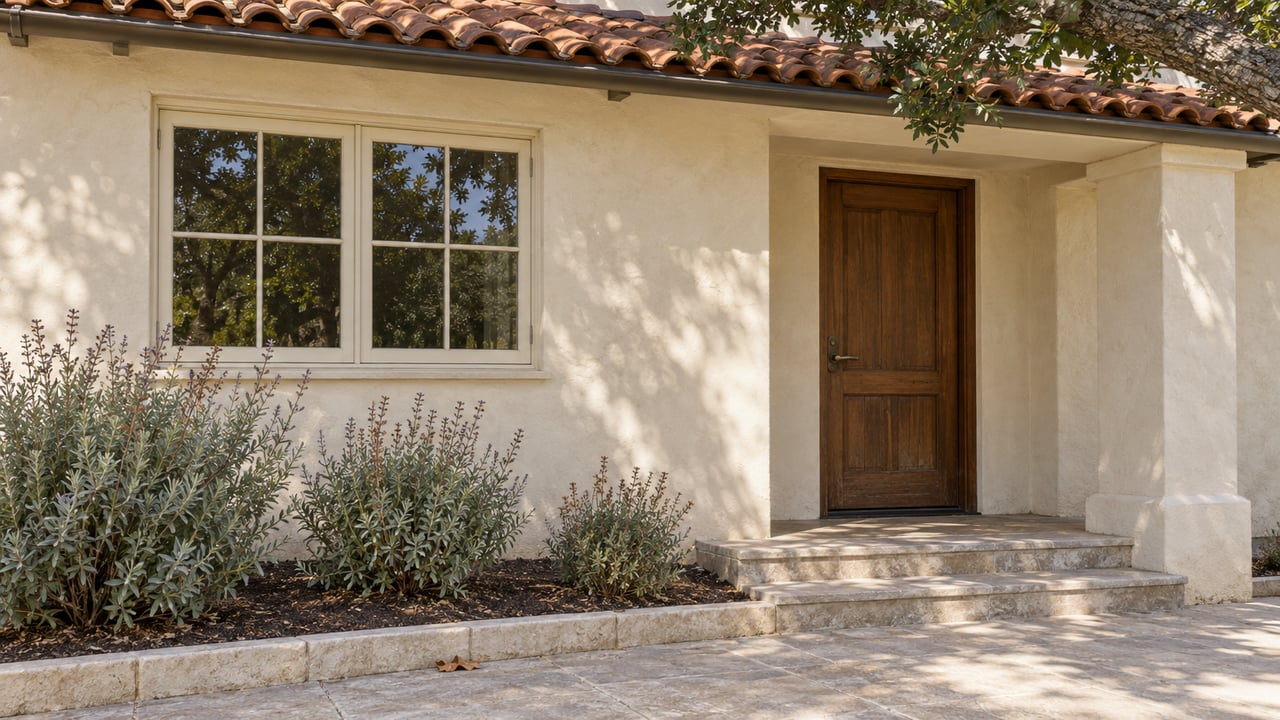
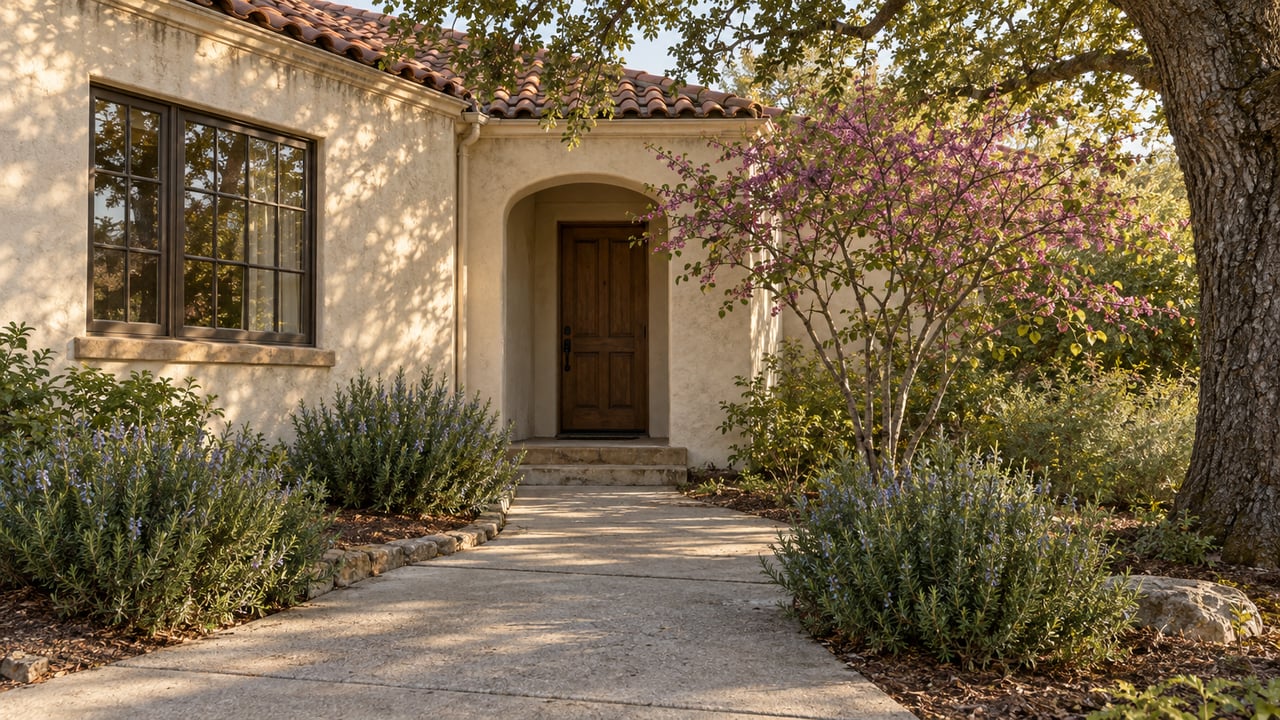
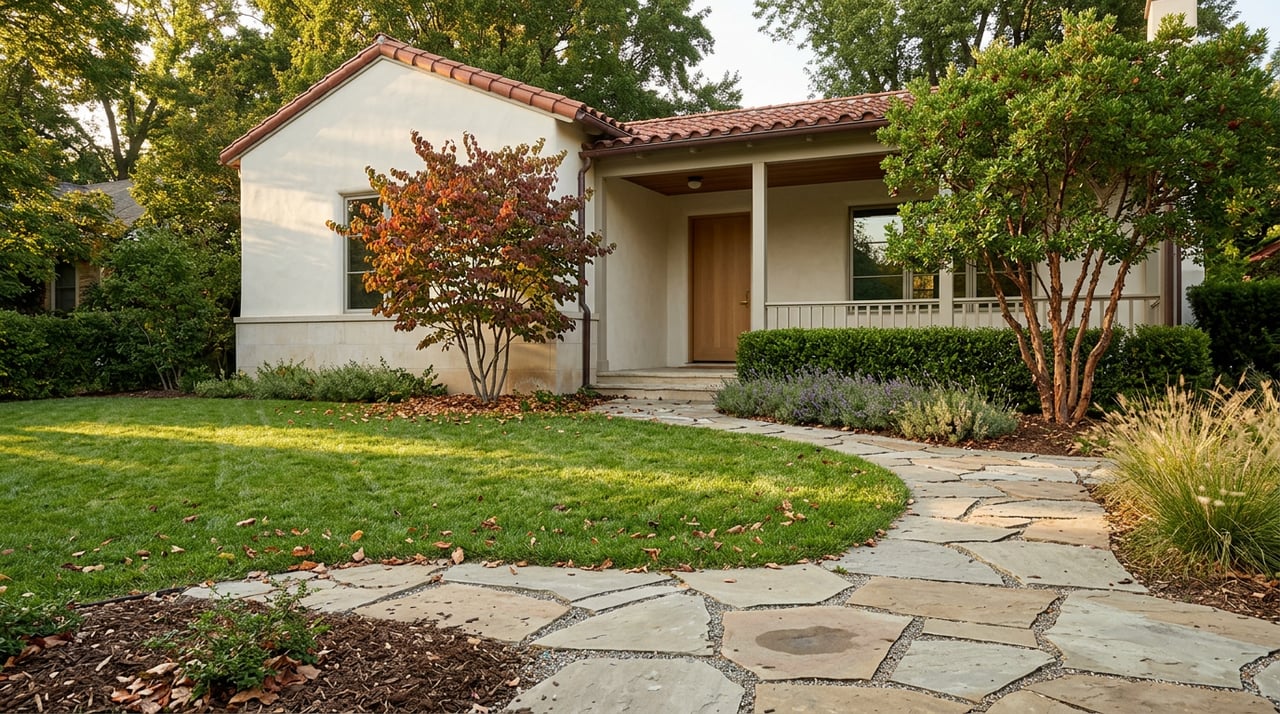
Spanish Colonial Revival homes often have stucco exteriors, low-pitched roofs, arched openings, recessed windows, wood casements, and decorative ironwork. These details can give the home a very distinct look, but they can also influence how future exterior work should be approached.
When you buy an older home in Willow Glen, the details on the outside often matter just as much as the layout inside. San José’s preservation guidance emphasizes maintaining the character of individual homes and neighborhoods through sensitive exterior rehabilitation.
In practical terms, that can include features such as:
For you as a buyer, this matters because changes to these features may involve more review than you expect. A house can still be comfortable and updated, but exterior work may need to respect the home’s original appearance.
Buying any older home calls for extra due diligence, and Willow Glen is no exception. A beautiful historic-looking exterior does not tell you everything about electrical systems, plumbing, structure, or prior remodel quality.
The California Department of Real Estate advises buyers to review disclosures and hire a qualified inspector to evaluate the property’s electrical, plumbing, and structural integrity. Seller disclosures address the property’s physical condition and potential hazards or defects, and the agent is also required to visually inspect and disclose readily observable defects.
One smart local step is to check the property’s Historic Resources Inventory classification early in the process. The City states that the inventory does not include every historic resource because many structures have never been surveyed.
That means a home’s absence from the inventory does not automatically mean it has no historic value. If you are planning future exterior work, that distinction can be important.
You should also pull permit history as early as possible. This can help you understand whether major work like additions, reroofing, window replacement, decks, or exterior alterations appears to have gone through the proper process.
Permit history can also reveal whether the home’s current condition reflects a series of thoughtful updates or a patchwork of changes over time. That context can shape both your offer strategy and your renovation budget.
Older homes often need a closer look at the systems behind the walls. Your inspector can help identify concerns with structure, foundation conditions, plumbing, electrical components, and signs of deferred maintenance.
If the home was built before 1978, lead-based paint is more likely to be present. Buyers of most pre-1978 housing have the right to receive lead disclosure information before signing a contract.
If future remodel work could disturb materials like old floor tile, ceiling tile, or pipe wrap, the EPA recommends sampling by a trained asbestos professional rather than trying to guess by appearance.
Because many older Willow Glen blocks have mature trees, it is wise to confirm whether any street trees, heritage trees, or ordinance-size trees could affect your landscaping or hardscape plans. Tree rules can matter if you are thinking about driveway changes, additions, or major yard redesign.
One of the biggest surprises for buyers is that historic-home ownership can involve more process for exterior changes. That does not mean you cannot update the property. It means you should know the rules before you commit.
San José states that a City Landmark or a property within a City Landmark District needs a Historic Preservation Permit for exterior work. Single-family properties listed on the Historic Resources Inventory use the Single-Family House Permit process.
The City also makes an important distinction: historic district designation does not regulate land use. It mainly guides exterior change through design review.
Not every project triggers the same level of review. San José says ordinary maintenance that replaces deteriorated elements in kind and does not change the exterior appearance does not require a Historic Preservation Permit.
That can be helpful if your plans focus on careful upkeep rather than major redesign. Even so, it is worth confirming the process before work begins.
The City’s examples of minor work include:
These are common projects for homeowners, but on an older home, the details matter. Materials, placement, and visibility from the street can all affect the review path.
If you are used to thinking in terms of full replacement, Willow Glen’s historic guidance may feel different. San José’s preservation approach is generally repair-first, especially for character-defining exterior features.
For windows and doors, the City recommends repairing deteriorated components rather than replacing them wholesale. It also advises avoiding new openings on character-defining facades.
For roofs, the City recommends preserving original roof materials when they are still sound and matching replacement materials to the original scale, color, and texture. If 25 percent or more of a roof is replaced within a 12-month period, San José requires a building permit, and historic properties on the Historic Resources Inventory also need Planning clearance before the reroof permit is issued.
If you want extra living space, it is important to understand how additions are expected to relate to the original house. San José’s guidance says additions should remain subordinate to the original structure.
In general, the City prefers additions at the rear and set back at least ten feet from the primary facade. Additions should also use compatible massing, roof forms, materials, and windows so the original house still reads clearly from the street.
This is one reason early planning matters so much. If future flexibility is a major priority for you, it is smart to evaluate that before you buy, not after.
The good news is that buying a historic home in Willow Glen is not about choosing between charm and livability. The City’s overall preservation framework is designed to keep important features intact while allowing compatible updates.
That can mean a home with original character and better functionality, especially when owners work with planners, inspectors, and qualified contractors early. If you go in with clear expectations, you can often enjoy both the architecture you love and the comfort you want.
There may also be preservation incentives depending on the property. San José lists incentives such as the State Historic Building Code for historic resources and Mills Act historical property contracts for City Landmarks.
If you are serious about buying a historic home in Willow Glen, your best move is to stay curious before you get emotionally committed. Ask more questions, review more documents, and think about your long-term plans for the property before you write an aggressive offer.
A practical buyer checklist includes:
With the right preparation, a historic Willow Glen home can be a rewarding purchase. You get the benefit of distinctive design, established streetscapes, and a sense of place that newer homes often cannot replicate.
If you want guidance as you weigh charm, condition, and long-term plans, Jerylann Mateo offers the kind of hands-on, detail-focused support that can help you move forward with confidence.
Stay up to date on the latest real estate trends.
Jerylann’s clients enjoy her thoughtful attentiveness and appreciate her high touch and compassionate care. It is truly her joy to ultimately fulfill their request throughout the transaction and graciously serve them. Her immediate accessibility, answers to timely questions and tenacious resolve makes her invaluable. Delivering responsive, confident results with a personal touch are all part of the design that allows Jerylann to provide exceptional representation and outstanding personal service.