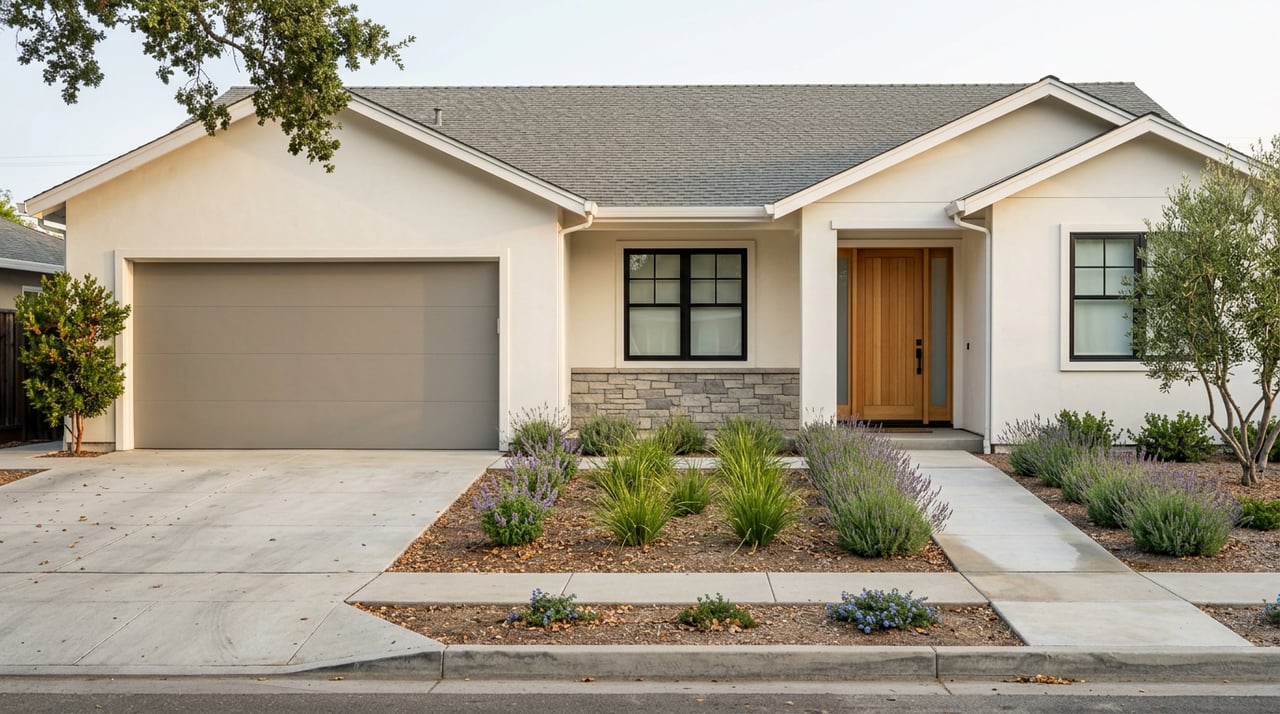
Redwood City vs San Mateo Homes: Choosing Your Move
Trying to choose between Redwood City and San Mateo? You are not alone. Both cities sit in the heart of the mid‑Peninsula, offer strong commute options, and feel close to everything. Yet the day‑to‑day experience can be very different depending on the neighborhood and home type you pick. In this guide, you will compare housing, lifestyle, transit, and what is coming next so you can decide which move makes sense for you. Let’s dive in.
Redwood City centers on a lively, walkable downtown with concerts and community events, plus a broad mix of condos, townhomes, and single‑family homes. Market snapshots commonly show values on the higher side of mid‑Peninsula norms, and multi‑year Census estimates put the city’s median owner‑occupied home value around the low to mid $1.8M range. You can use the Census’ owner‑occupied value summary as a stable benchmark while you track current listings and sales. See the Census QuickFacts context.
San Mateo is larger and has more distinct districts, from the classic downtown by Central Park to the newer transit‑oriented Bay Meadows area. Typical citywide values often run a bit lower than Redwood City overall, with Census estimates around the mid $1.5M range for owner‑occupied median value. As with any Peninsula market, neighborhood and product type drive big differences.
Bottom line: treat both as premium Bay Area markets. Your choice will likely come down to whether you prioritize a walkable entertainment core, proximity to a Caltrain station, a larger lot, or a newer transit‑adjacent community.
Both cities offer a mix of single‑family homes and multifamily options, but the distribution and feel vary by neighborhood.
When comparing budgets, use a broad band to reflect product mix and neighborhood spread rather than a single monthly median. A simple way to think about it is:
These ranges shift with season and mix. If you are comparing specific neighborhoods or housing types, pull current numbers right before you write an offer and weigh HOA dues, taxes, and commute costs in your monthly plan.
If you want a steady calendar of events and a true civic plaza, downtown Redwood City stands out. Courthouse Square hosts regular community programming, and the Fox Theatre anchors a lively entertainment scene. Get a feel for the lineup by browsing the downtown events overview.
San Mateo’s downtown spans more blocks, with an established dining and retail base around Central Park. The park’s open lawns, garden features, and community spaces create a central green near shops and restaurants.
Redwood City offers bayfront access, including the waterfront edges near Redwood Shores and the Port area, plus a growing interest in water‑oriented connections. The city’s planning materials for a potential ferry service highlight how the shoreline factors into long‑term mobility and recreation. You can scan the city’s waterfront and ferry planning context.
San Mateo brings the Bay Trail, shoreline parks like Coyote Point and Seal Point, and the civic green at Central Park. If you prefer weekend time in parks within a short drive or bike ride, both cities deliver, just in different settings.
Both cities sit on the Caltrain corridor with direct service to San Francisco, Palo Alto, Mountain View, and San Jose. Express and limited trains can cut travel times compared to local trains. Typical trips to San Francisco from Redwood City or San Mateo can range from roughly 25 to 40 minutes depending on the train you pick. Check current timetables and the trip planner on the Caltrain schedules page.
Highway 101 serves both cities for north‑south travel, and San Mateo adds convenient links to I‑280 and routes near SFO. As a directional comparison, SFO’s visitor materials suggest about 20 minutes to the airport from San Mateo and about 40 minutes from Redwood City, depending on traffic. Review the context on SFO’s day‑trip page.
SamTrans bus lines serve both cities, and most station areas offer bike parking and drop‑off zones. San Mateo’s recent growth has emphasized transit‑adjacent housing, especially near Hillsdale and Bay Meadows, while downtown Redwood City remains one of the most walkable mid‑Peninsula rail‑side neighborhoods.
San Mateo has adopted a 2023–2031 Housing Element that accommodates its regional housing target and implements voter‑approved Measure T to expand capacity near transit. That means more opportunities for new multifamily housing in station‑area neighborhoods over the next cycle. You can read the program goals and rezonings on the city’s Housing Element page.
Redwood City has updated its Housing Element and earned a state pro‑housing designation, with a focus on mixed‑use development downtown and targeted corridors that can add middle‑housing and infill supply. Those actions guide where new projects are most likely to appear first. See the city’s pro‑housing announcement for context.
For buyers, both cities are set to add more multifamily options over the next 3 to 10 years. Supply will still feel tight at times, and impacts will vary block by block based on entitlements, financing, and construction pace.
Use this quick framework to align the city and neighborhood with your daily life and budget.
Your best choice will become clear once you stand on the blocks you like most. Plan a Saturday to ride Caltrain between stations, walk each downtown, and drive your regular commute during peak hours. Compare HOA dues and maintenance costs by product type, and keep a close eye on active and pending listings within your target neighborhoods.
If you want a calm, well‑organized search with expert local guidance, reach out to Jerylann Mateo for a personalized plan. You will get neighborhood insights, on‑the‑ground touring, and step‑by‑step support from first look to closing.
Stay up to date on the latest real estate trends.
Jerylann’s clients enjoy her thoughtful attentiveness and appreciate her high touch and compassionate care. It is truly her joy to ultimately fulfill their request throughout the transaction and graciously serve them. Her immediate accessibility, answers to timely questions and tenacious resolve makes her invaluable. Delivering responsive, confident results with a personal touch are all part of the design that allows Jerylann to provide exceptional representation and outstanding personal service.