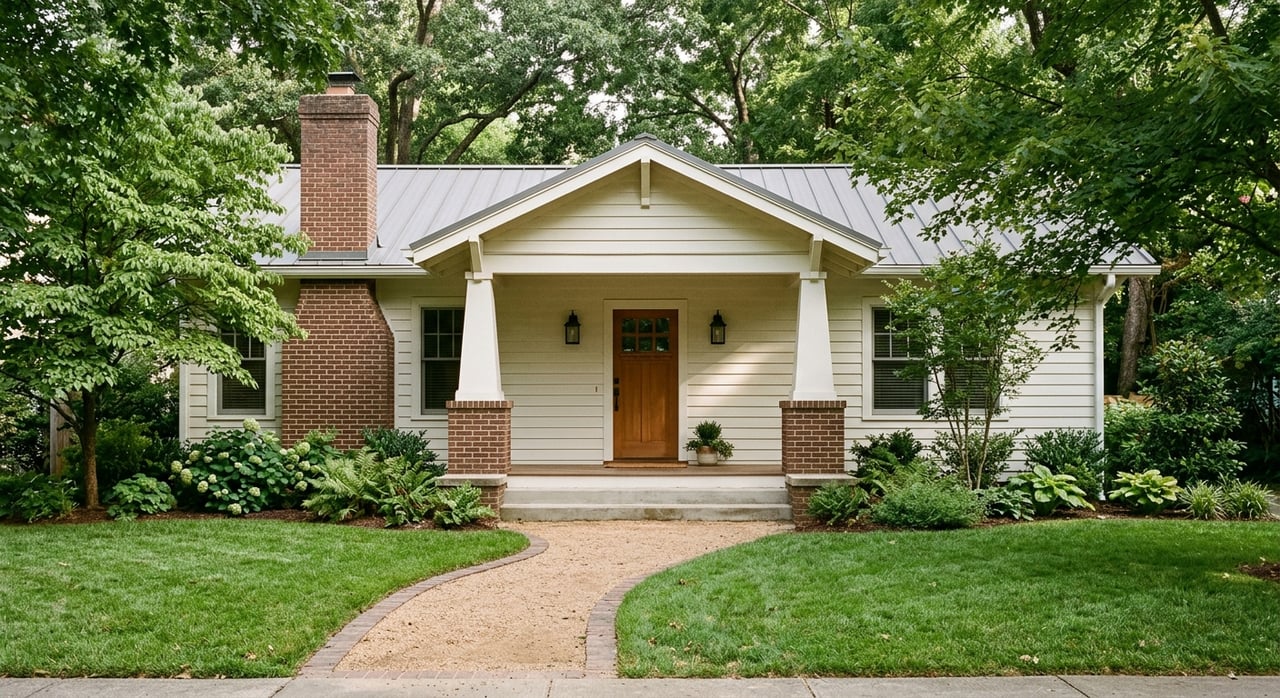
Your Guide to Menlo Park Neighborhoods for Daily Living
Wondering which Menlo Park neighborhood will actually fit your day-to-day life, not just your wish list? That is often the hardest part of a move, especially if you are comparing areas that all share the same city name but feel very different once you picture errands, park time, and your usual commute. If you are trying to narrow down where you would feel most comfortable in Menlo Park, this guide will help you compare three key areas through an everyday-living lens. Let’s dive in.
Menlo Park is a relatively compact city of about 32,000 residents spread across 19 square miles. City materials highlight its tree-lined neighborhoods, active commercial areas, strong park system, and proximity to Stanford.
That said, everyday life can vary a lot from one part of the city to another. Caltrain tracks and Highway 101 create physical barriers in some areas, so two neighborhoods can feel very different in how easy it is to get around, reach parks, or run errands.
When you compare neighborhoods here, the biggest differences usually come down to a few practical things. These include grocery access, sidewalk and bike comfort, park proximity, and whether you want a walk-to-downtown routine or a quieter residential setting.
Downtown Menlo Park is the clearest benchmark for convenience. City sources describe it as a walkable district with retail, restaurants, three grocery stores, nearby bus stops, and Caltrain access, so it helps set the standard when you compare nearby neighborhoods.
Allied Arts and Stanford Park sit southeast of Downtown Menlo Park. Official city documents place the neighborhood between Middle Avenue, El Camino Real, San Francisquito Creek, and Arbor Road.
This area tends to feel established and connected. City reports describe it as one of Menlo Park’s older neighborhoods, with a grid street pattern, mature trees, and architecture that largely peaked between 1926 and 1940.
The housing stock is mostly detached single-family homes and two-story apartments, with larger apartment and commercial buildings along El Camino Real. If you like neighborhoods with a mix of older homes and a more in-town setting, this area often stands out.
The overall character feels more closely tied to the urban core than some other parts of Menlo Park. That can matter if you want a neighborhood that feels integrated with the rest of the city rather than set apart from it.
Among the three neighborhoods in this guide, Allied Arts and Stanford Park are often the strongest fit for getting around on foot. City materials say pedestrian connectivity is excellent and that most streets have sidewalks and curbs.
There is one tradeoff to know. Most of the neighborhood is not within half a mile of a grocery store, so while the area feels highly connected, some errands may still require a short drive, bike ride, or trip toward downtown.
The neighborhood does not have open space within its borders, but Nealon Park and Jack W. Lyle Park sit just outside its west side. For many buyers, that still supports a park-oriented routine without giving up closeness to downtown and Stanford-adjacent activity.
If you want older neighborhood character, strong pedestrian comfort, and close-in access to Downtown Menlo Park, Allied Arts and Stanford Park may be the most balanced option of the three. It often appeals to buyers who want a more connected daily routine without living directly in the downtown core.
Sharon Heights is at the southwestern end of Menlo Park. City materials define it with boundaries that include Sand Hill Road, Santa Cruz Avenue and Altschul Avenue, plus Trinity Drive and the Sharon Heights Golf and Country Club.
Compared with the other neighborhoods here, Sharon Heights tends to feel the most removed from downtown routines. It reads as more suburban and more dependent on roads and driving for everyday movement.
The city’s housing-element update says the homes here are mainly from the 1960s and include both single-family and multi-family buildings. That gives the area a different housing era and visual rhythm than the older sections of Menlo Park.
For some buyers, that setting is a plus. If you prefer a neighborhood that feels quieter and less tied to a dense retail core, Sharon Heights may align with that preference.
This is where the tradeoffs become clearer. City sources say most households are farther than half a mile from the neighborhood’s one grocery store, public transit is limited, and only bus stops on the west side serve the area.
The city also reports that most streets do not have accessible sidewalks or bike lanes. So if your ideal day includes walking to errands or relying on bike infrastructure, Sharon Heights may feel less convenient than Allied Arts or downtown-adjacent areas.
Sharon Park is the main public open-space anchor here. The city describes it as a 9.83-acre park with a lake, walking path, picnic areas, playground, and wooded slopes.
The neighborhood also includes the private Sharon Heights Golf and Country Club. For everyday living, the public park is the main feature most residents would use regularly.
While transit is more limited here, Menlo Park’s Crosstown Shuttle connects Sharon Heights with downtown Menlo Park, downtown Palo Alto, and the Stanford Shopping Center and Stanford Medical Center area. That can help if your routine involves those destinations, even though the neighborhood still functions more as a road- and shuttle-oriented location.
Sharon Heights may make the most sense if you want a more suburban feel and value access toward Sand Hill Road. It is usually less about walkable errands and more about a quieter setting with a park anchor and practical road access.
This combined area sits north of Downtown Menlo Park in a triangular section bounded by Bay Road, US-101, and Marsh Road. The setting is physically shaped by those edges, which affects how connected or enclosed the area can feel.
Compared with Allied Arts, this area tends to feel more residential and lower density. Compared with Sharon Heights, it often feels flatter and more defined by detached-home living and freeway boundaries.
City planning materials describe the housing as mostly detached single-family homes, with styles such as Ranch and Minimal Traditional. The area appears to have been largely built out by 1948, which contributes to its established feel.
If you are looking for a neighborhood with a more traditional residential pattern and fewer mixed-use elements, this area may stand out. It has a quieter home-focused identity than neighborhoods nearer downtown.
Daily convenience is more limited here than in Downtown Menlo Park or Allied Arts. City sources say most homes do not have nearby grocery access within Menlo Park.
US-101 closes off the north side, and Bay Road is the main exit. Most homes are within half a mile of a bus stop, but the area still comes with more obvious tradeoffs for quick walk-to-retail routines.
Flood Park is the area’s main open-space anchor, which is a meaningful benefit for buyers who want easy park access. At the same time, city materials note that about 15% of the area is in a flood hazard zone.
That does not define the whole neighborhood, but it is an important practical detail to keep in mind when comparing blocks and properties. It is one of those location-specific factors that can shape how you evaluate a home beyond its floor plan.
Suburban Park, Lorelei Manor, and Flood Triangle may fit you well if you want a quieter detached-home setting with park access. The main tradeoff is that convenience for groceries and some daily errands is weaker than in more central parts of Menlo Park.
If walkability is high on your list, Downtown Menlo Park remains the strongest overall benchmark in the city. Among the three neighborhoods covered here, Allied Arts and Stanford Park usually come the closest to that kind of everyday experience.
That is because the area combines excellent pedestrian connectivity with close-in positioning near downtown. Even though grocery access is not as strong within the neighborhood itself, it still tends to support the most on-foot daily routine of the three.
Both Sharon Heights and Suburban Park lean more suburban than Allied Arts. The difference is in how that suburban feel shows up in daily life.
Sharon Heights feels more hillside- and road-oriented, with limited transit and weaker sidewalk and bike infrastructure. Suburban Park feels more detached-home oriented and freeway-bounded, with a quieter residential pattern and fewer nearby retail conveniences.
For buyers who expect regular Stanford-related routines, Downtown Menlo Park and Allied Arts and Stanford Park are usually the most intuitive fits. Official sources point to downtown as the clearest campus-linked area for walking, biking, and transit-connected living.
Menlo Park also has a strong bicycle baseline, with city recognition as a Gold-level Bicycle Friendly Community for 2023 through 2027. Still, neighborhood-specific conditions matter, and Sharon Heights has more limited bike and transit infrastructure than the other options discussed here.
The best Menlo Park neighborhood for you depends less on a simple ranking and more on how you live. If you like the idea of walking more often, staying close to downtown, and enjoying a neighborhood with mature trees and older homes, Allied Arts and Stanford Park may be the strongest match.
If you want a quieter, more road-oriented setting and do not mind driving more often, Sharon Heights may suit you better. If you want a detached-home environment with park access and can accept weaker grocery convenience, Suburban Park and the surrounding area may deserve a closer look.
A neighborhood guide can narrow the field, but the real answer usually comes from matching the location to your routines. If you want help comparing Menlo Park neighborhoods in a practical, street-by-street way, Jerylann Mateo can help you evaluate the tradeoffs and find the right fit for how you actually live.
Stay up to date on the latest real estate trends.
Jerylann’s clients enjoy her thoughtful attentiveness and appreciate her high touch and compassionate care. It is truly her joy to ultimately fulfill their request throughout the transaction and graciously serve them. Her immediate accessibility, answers to timely questions and tenacious resolve makes her invaluable. Delivering responsive, confident results with a personal touch are all part of the design that allows Jerylann to provide exceptional representation and outstanding personal service.