Preparing Your Santa Clara Home For Today’s Tech Buyers
If you are getting ready to sell in Santa Clara, you are not just listing a house. You are presenting a lifestyle that many buyers will evaluate through the lens of work flexibility, comfort, monthly costs, and how the home looks online. That can feel like a lot to manage, but the good news is that the most effective prep is often practical, targeted, and very doable. In this guide, you will learn how to prepare your Santa Clara home for today’s tech buyers with smart updates, strong presentation, and a clear pre-list plan. Let’s dive in.
Santa Clara sits in the heart of a tech-driven market, and many buyers are still thinking about how a home supports hybrid or work-from-home routines. Census data shows working from home remains above pre-pandemic levels, and Pew research cited in the report indicates many teleworkers prefer more home-based work. That means buyers may pay close attention to whether your home has a usable office, flex room, or even a quiet corner that feels work-ready.
Buyers also tend to notice operating costs and day-to-day comfort. The 2024 NAR sustainability report found that utility bills, comfortable living space, and smart or connected-home features matter to many clients. In Santa Clara, where buyers often think analytically about both function and long-term costs, those details can help your home feel more practical and appealing.
Just as important, many first impressions happen online. NAR’s 2025 staging report found that 83% of buyers’ agents said staging helps buyers visualize a property as a future home, while photos, traditional staging, videos, and virtual tours all ranked as highly important. If your home looks bright, calm, and purposeful in listing media, you can reduce buyer uncertainty before they ever walk through the door.
You probably do not need a full remodel to make a strong impression. In most cases, the higher-impact move is to improve presentation with decluttering, deep cleaning, touch-up repairs, fresh paint, and better lighting. These steps help your home feel move-in ready, which is often exactly what busy buyers want.
Clear room purpose matters, too. If you have an extra bedroom, loft, or nook, consider setting it up as a credible office or flex space. In a market shaped by hybrid schedules, showing buyers how the home can support work, hobbies, or focused study can make the layout feel more functional.
The key is to make the home feel open, easy, and calm. Tech buyers are often comparing many listings quickly, especially online. When each room reads clearly in photos and in person, your home becomes easier to understand and easier to remember.
Not every room carries the same weight. According to NAR’s 2025 staging report, the living room, primary bedroom, and kitchen are the most important spaces to stage. If you want to spend wisely, start there.
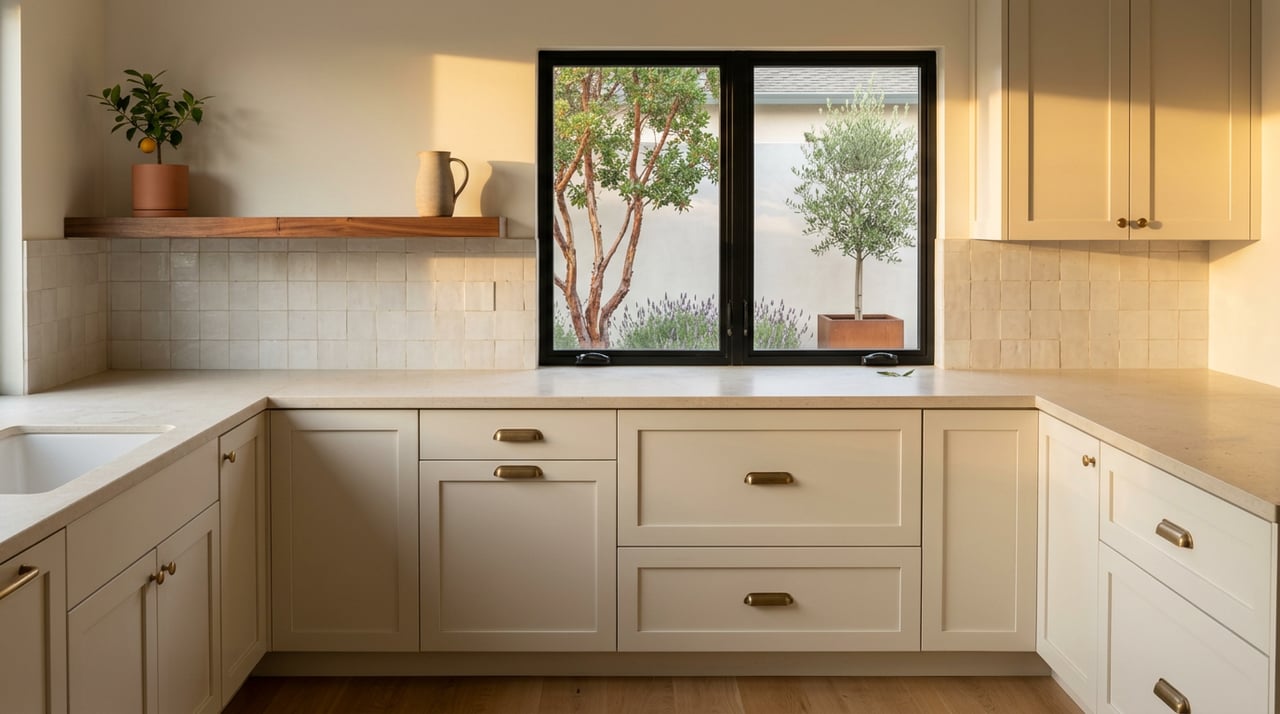
In the living room, aim for clean sightlines, balanced furniture placement, and enough space for buyers to picture everyday life. In the primary bedroom, create a restful, uncluttered look with minimal furniture and soft, neutral styling. In the kitchen, clear counters, brighten lighting, and remove anything that makes the space feel crowded or overly personalized.
The same report noted that nearly half of respondents said buyers expect homes to look like they were staged on TV. That does not mean your home needs to feel artificial. It means buyers respond to polished, well-edited spaces that photograph beautifully and feel easy to imagine as their own.
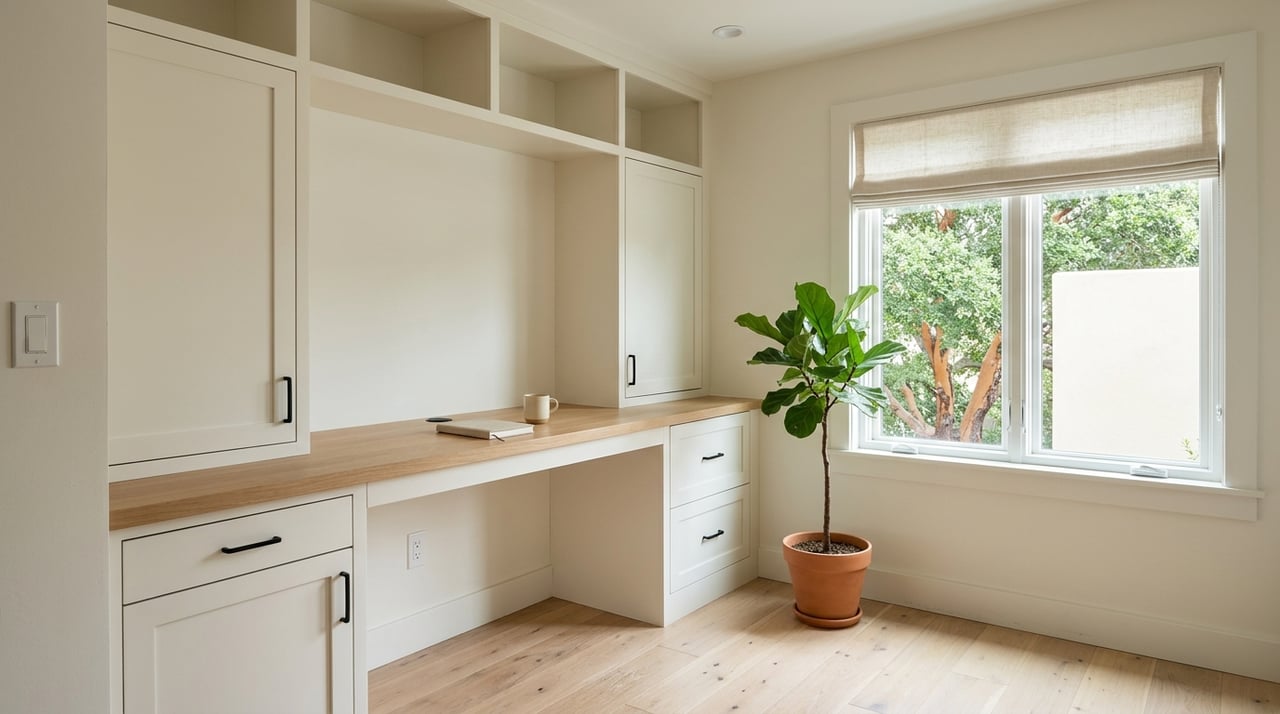
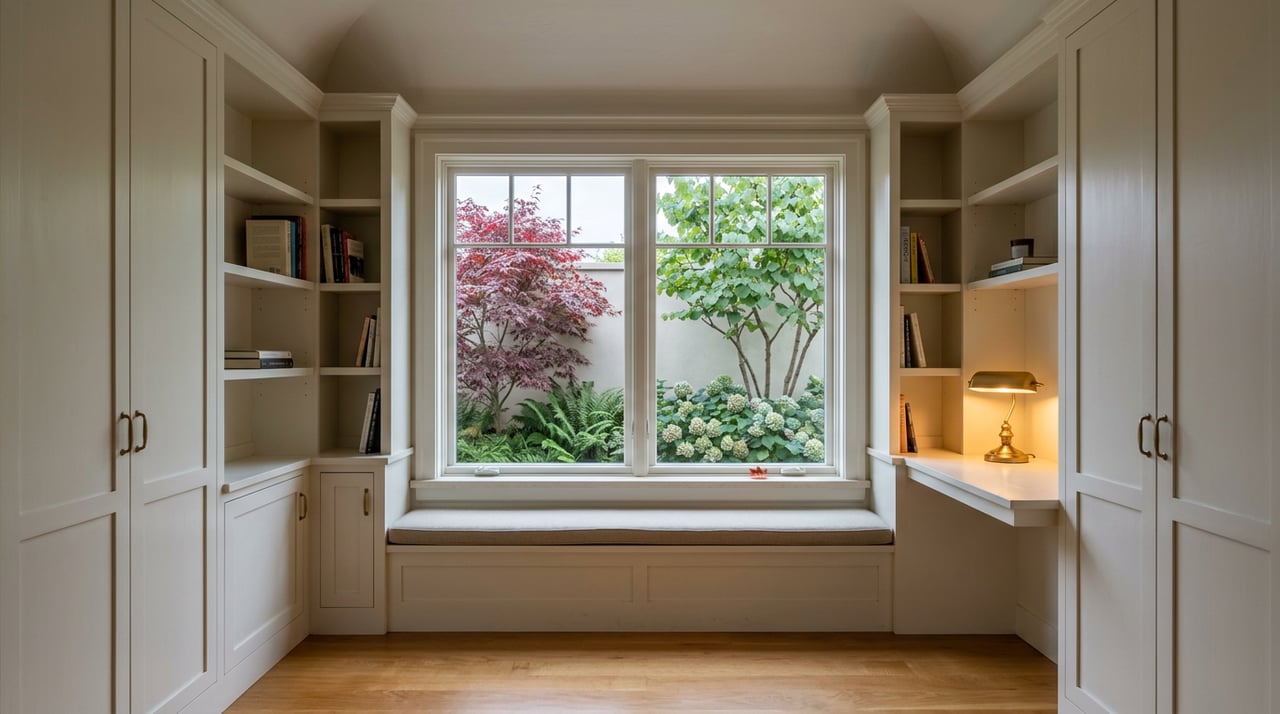
A dedicated office is a plus, but you do not need a large separate room to make an impact. What matters most is showing that your home can support focused work. A small desk setup, a reading nook with task lighting, or a guest room staged with a simple workspace can help buyers see the possibility.
Try to reduce visual noise in these areas. Tidy cords, clear extra furniture, and use lighting that makes the space feel functional and comfortable. If the space is quiet and bright, buyers are more likely to view it as useful rather than improvised.
This is especially relevant in Santa Clara, where work flexibility remains part of daily life for many households. Even buyers who are not remote full-time may still want a place for Zoom calls, planning, side projects, or homework.
Simple, visible upgrades can support both marketing and buyer confidence. A smart thermostat is a strong example because buyers can see it during showings, understand it quickly, and connect it to convenience. The Department of Energy notes that smart thermostats can adjust automatically based on occupancy or activity, be controlled remotely, and help track and manage energy use.
Efficient lighting can also help. It improves how your home shows in person and in photos while supporting the broader buyer interest in comfort and lower operating costs. Small changes like updated bulbs or improved fixture function can make rooms feel brighter and more current.
For bigger energy improvements, start with an assessment before you start spending. The Department of Energy recommends a home energy assessment before making energy-saving improvements or adding renewable energy. An assessment can identify air leaks, insulation gaps, duct issues, moisture concerns, and opportunities for HVAC, appliance, or electrification upgrades.
It is smart to market features like solar, batteries, or larger electrification work carefully. NAR’s 2024 sustainability report found mixed market perceptions around solar panels. Some agents and brokers said solar increased perceived value, some said it had no effect, and others said it made no difference in time on market.
That does not mean these features are unhelpful. It means you should present them as benefits tied to comfort, efficiency, or convenience, rather than assuming buyers will value them dollar for dollar. Clear documentation and accurate descriptions matter more than hype.
If you are deciding whether to do a larger project before listing, weigh the timeline, cost, permit needs, and overall presentation impact. In many cases, targeted improvements and strong staging will do more for your sale than a rushed major project.
Before you launch your listing, make sure any recent work is properly permitted and closed out if required. Santa Clara’s Permit Center handles building, planning, fire, and public works services, and the city’s online portal allows permit applications, fee payments, and inspection scheduling. The city also notes that inspections cover remodels, repairs, additions, and changes in use.
This matters because permit issues can slow down your timeline or create questions once buyers begin reviewing disclosures. If you are doing electrical, mechanical, plumbing, or solar-related work before listing, build permit timing into your prep schedule early. It is much easier to solve these details before photos and showings begin.
A permit-aware plan also helps you avoid last-minute stress. Instead of scrambling to finish work right before going live, you can treat the listing as a managed project with a realistic launch date.
Santa Clara has a useful local advantage through Silicon Valley Power. Its residential rebate programs currently include incentives for home energy audits, electric panel or circuit upgrades, heat pump water heaters, HVAC tune-ups, smart electric panels, and other electrification-related work. Program rules can change, and some rebates require proof of permit issuance when applicable.
Examples listed in the report include home energy audits at 30% of cost up to $600, smart electric panels at $4,000, main service panel upgrades up to $1,500, prewired circuits for future electric appliances up to $500 per circuit, heat pump water heaters up to $5,500, and HVAC tune-ups up to $75. If you are considering pre-list efficiency work, these incentives may help shape your budget and priorities.
The practical takeaway is simple. If an improvement will help presentation, comfort, or marketability, check whether a local rebate applies before you begin. That extra step can make a worthwhile project more affordable.
Selling well in Santa Clara often works best when you approach prep in phases. Instead of rushing to market, you can plan improvements, coordinate vendors, polish presentation, and launch only when the home is ready. This can help protect momentum and reduce the chance of needing multiple public price adjustments later.
Compass Concierge is designed to front the cost of selected home-improvement services with zero due until closing, according to Compass. Covered services can include staging, flooring, painting, deep-cleaning, decluttering, cosmetic renovations, landscaping, HVAC, electrical work, kitchen and bathroom improvements, and moving or storage.
For sellers who want a high-touch process, this kind of support can reduce upfront cash strain and keep everything organized. It also fits well with a thoughtful marketing approach, where the goal is not just to list quickly, but to launch with strong photos, polished staging, and a home that feels fully market-ready.
A well-prepared listing can benefit from a phased rollout. Compass notes that a home may begin as a Private Exclusive to gather early demand and pricing insight without accruing days on market, then move to Coming Soon as prep wraps up, and finally launch broadly once the home is fully ready.
For Santa Clara sellers, this approach can create breathing room. You have time to improve presentation, coordinate the final details, and enter the market with more confidence. It also supports a more strategic process rather than a hurried one.
When your home is positioned well from the start, buyers are more likely to respond positively right away. That is especially important in a market where presentation, efficiency, and functionality all shape first impressions.
If you are preparing your Santa Clara home for today’s tech buyers, start with the basics that move the needle most:
The strongest results usually come from thoughtful decisions, not the biggest budget. When your home feels functional, polished, and easy to understand, buyers can focus on its value rather than its to-do list.
If you want a tailored plan for timing, prep, staging, and launch strategy in Santa Clara, connect with Jerylann Mateo. Her high-touch, concierge-minded approach can help you prepare your home with less stress and a smarter path to market.
Stay up to date on the latest real estate trends.



Jerylann’s clients enjoy her thoughtful attentiveness and appreciate her high touch and compassionate care. It is truly her joy to ultimately fulfill their request throughout the transaction and graciously serve them. Her immediate accessibility, answers to timely questions and tenacious resolve makes her invaluable. Delivering responsive, confident results with a personal touch are all part of the design that allows Jerylann to provide exceptional representation and outstanding personal service.